Rotator Cuff Injuries

Rotator cuff injuries involve damage to the muscles and tendons that surround and support the shoulder joint. These muscles play a key role in lifting, rotating, and stabilizing the arm. When the rotator cuff is injured, even simple daily movements such as reaching overhead, carrying groceries, getting dressed, or sleeping can become painful and difficult. Early and proper rotator cuff injury treatment can help reduce pain and prevent long-term shoulder problems.

Rotator cuff injuries can affect people of all ages but are more common in adults over 40, athletes, and individuals who perform repetitive shoulder movements at work or during sports.

Ready to improve your health?

Rotator Cuff Injury Symptoms

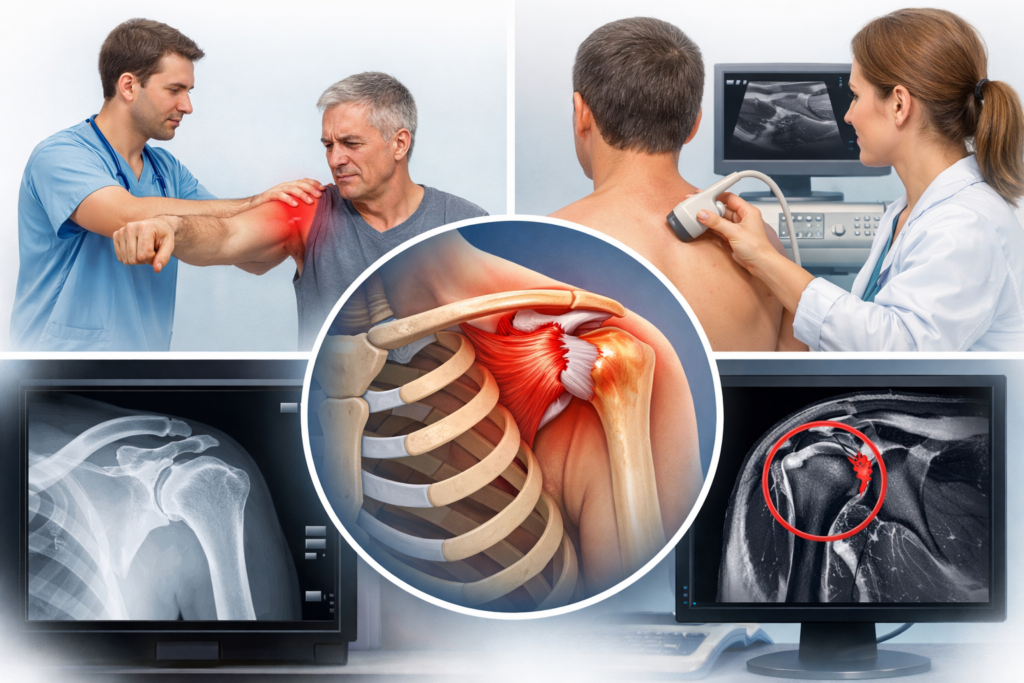
Common rotator cuff injury symptoms include shoulder pain, weakness, stiffness, and limited range of motion. Pain often increases when lifting the arm overhead, reaching behind the back, or lying on the injured shoulder at night. Some patients may also experience clicking, popping, or grinding sensations during shoulder movement. Symptoms may start gradually or appear suddenly after an injury.

Rotator Cuff Injury Symptoms​

Upper Back Pain

Pain in the upper back may be caused by disorders of the aorta, tumors in the chest, or inflammation of the spine. Upper back pain may radiate till your shoulder and hinder your ability to perform daily activities.

Causes and Risk Factors

Rotator cuff injuries can develop slowly due to age-related wear and tear of the shoulder tendons. Repetitive activities such as painting, swimming, tennis, or heavy lifting can increase strain on the shoulder. Sudden trauma, including falls, accidents, or lifting heavy objects incorrectly, can also cause tears. Poor posture, muscle weakness, and lack of shoulder flexibility may further increase the risk of injury.

Rotator Cuff Injury Test and Diagnosis

Rotator Cuff Injury Test and Diagnosis

A proper diagnosis is essential for effective recovery. A rotator cuff injury test usually begins with a detailed assessment of your symptoms, medical history, and shoulder movement. The clinician checks strength, flexibility, and pain levels through specific physical tests. Imaging tests such as X-rays or MRI scans may be recommended to confirm the diagnosis and determine the severity of the injury.

Treatment Options for Rotator Cuff Injuries

Treatment Options for Rotator Cuff Injuries

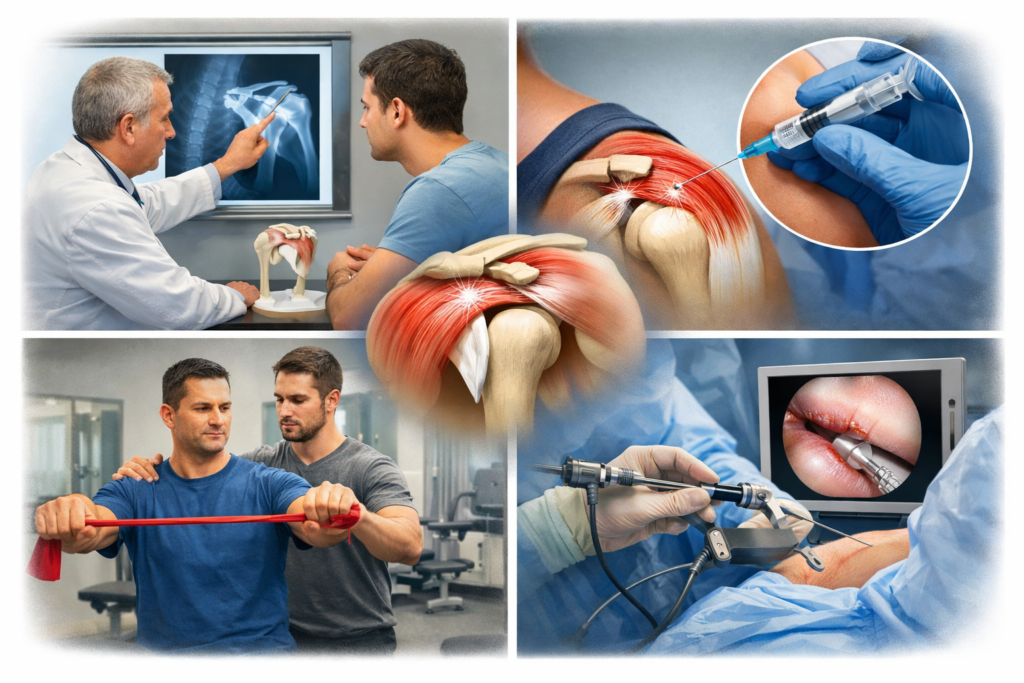
Treatment is personalized based on the type and severity of the injury. Many patients respond well to non-surgical care. This may include rest, ice therapy, pain-relief medication, and a structured physiotherapy program. Physiotherapy focuses on reducing pain, restoring shoulder movement, strengthening supporting muscles, and improving posture.

In some cases, cortisone injections may be used to reduce inflammation and relieve pain. Surgery is usually considered only when symptoms do not improve with conservative treatment or when the tear is severe and significantly affects daily function.

Directions