
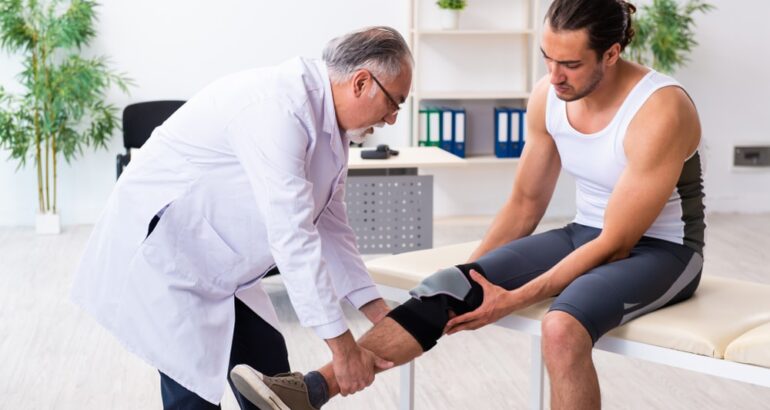
It’s more than an approach to pain relief. It’s a science-based approach that helps people to heal, gain the strength they have lost, and avoid the occurrence of future physical problems. When you’re struggling with chronic suffering, recovering from a surgery, or seeking to increase mobility, physiotherapy provides individualised treatment that targets the root cause of the condition.
By combining the use of manual therapy, therapeutic exercises and advanced methods that support long-term healing, physiotherapy helps and helps improve daily function.
Understanding Physiotherapy and How It Works
The physiotherapy field is a specialised area of medicine that is focused on diagnosing, managing and addressing physical as well as mobility problems. It incorporates manual methods as well as therapeutic exercises and advanced techniques to restore the function of your body, ease pain and enhance general well-being.
Assessment: The journey of every physiotherapist starts with an extensive evaluation. This involves reviewing the medical history of your patient, deciphering the symptoms and completing physical examinations to determine what is causing the problem.
Customised treatment programs: Therapists develop customised treatment plans that are based on the individual’s demands. They may incorporate targeted treatments, manual therapy, as well as pain-relieving techniques such as dry needling, shockwave therapy, or.
Holistic Methodology: Physical therapy doesn’t simply treat the symptoms that are immediate It also addresses the root biomechanical problems, enhancing the flexibility of your posture and strength, to help prevent further difficulties.
Through promoting the body’s healing process by promoting long-term healing, physiotherapy Waterloo helps to maintain the body’s natural healing and increases physical performance.
Common Conditions Physiotherapy Can Treat Effectively
The physiotherapy profession is an incredibly versatile treatment method that addresses the majority of physical issues. A few of the most popular problems treated by physiotherapists Waterloo comprise:
Musculoskeletal injuries: The physiotherapy method is extremely beneficial for injuries to joints, muscles, and bones, including fractures, strains, and dislocations.
Post-surgical rehabilitation: Following surgeries such as knee reconstructions, ACL fixes, or surgery for spinal issues, physiotherapy is a great way to improve mobility, strength and performance while decreasing the formation of scar tissue.
Chronic Pain Disorders: Diseases such as arthritis, fibromyalgia and ongoing back pain are helped by the specific techniques of physiotherapy, such as stretching, strengthening and the correction of posture.
Issues relating to paediatrics and geriatrics: Therapy for children who are experiencing developmental delays, as well as older adults suffering from age-related ailments such as osteoporosis and problems with balance.
This customised treatment ensures that patients receive treatment that is tailored to both the symptoms they experience and the root causes behind their ailments.
How Long Does It Take to See Results From Physiotherapy?
The amount of time required to see outcomes from physiotherapy is dependent on a number of variables, including the degree of the illness and the treatment strategy and the commitment of the person to the procedure.
For injuries that are acute, like injuries to muscles or strains, the most noticeable improvement can be noticed within two to four weeks after regular therapy sessions. For chronic conditions such as chronic back pain or arthritis, generally need months of consistent treatment to see significant improvement.
The post-operative recovery process varies widely based on the kind of surgery. For example, the knee replacement process typically lasts between six and twelve weeks. However, recovery after a rotator-cuff procedure can take a long time.
Regular attendance at sessions and adhering to prescribed exercise regimens is crucial to get optimal results and accelerating the process of recovery.
Chronic Pain Management: Is Physiotherapy Effective?
Chronic pain may significantly impact the daily activities of a person, yet the practice of physiotherapy has been widely acknowledged as a non-invasive, effective method of managing the condition. In contrast to temporary remedies like medication for pain, physiotherapy tackles the root cause of chronic pain. This could be due to joints that are not functioning properly or nerve irritation.
Physical therapists employ a variety of treatments, such as shockwave dry needling and heating therapy, to decrease the pain signal and inflammation. In addition, targeted stretching and strengthening exercises can improve physical and mental flexibility, which makes daily activities simpler and decreases the chance of suffering from chronic pain.
The focus of physiotherapy is on enhancing performance through guided movement as well as rehabilitation. This helps patients recover their ability to do tasks they might have resisted because of discomfort. With personalised physiotherapy treatment in Waterloo, individuals can work toward improved mobility, strength, and overall quality of life.
In addition to physical benefits, physiotherapy can contribute to improved overall health and well-being by encouraging clients to control their healing, decreasing anxiety, and increasing confidence. Through the combination of multiple methods and techniques, physiotherapy is a complete treatment for chronic pain and promotes longevity and health, while decreasing dependence on medications. Training on the science of pain to uncover common misconceptions and misperceptions about pain is essential to the journey of chronic pain.
Sports Injuries Recovery: How Physiotherapy Helps
The physiotherapy profession is an essential component of efficient treatment for injuries sustained in sports, regardless of whether you’re an elite player or just enjoy leisure activities. In addressing the pain, improving mobility, and helping prevent injury, physiotherapy is a guarantee of the safety and efficiency of rehabilitation.
Rehabilitation from Injury: The most common injuries to sports like strains, sprains and tears to ligaments greatly benefit from physical therapy. Methods such as manual therapy and exercise for healing promote healing through improving the flow of blood, reducing inflammation and increasing mobility.
Rehab Plans: The physiotherapists design custom plans for each particular sport and the demands put on the affected area. They focus on gradually building strength and mobility, and minimising the chance of injury recurrence.
Preventing Injury: Physiotherapists study biomechanics and give advice on the correct techniques, as well as equipment and warm-up practices, to minimise the possibility of injuries in the future.
When it comes to healing from an injury or coping with chronic injuries, physiotherapy Waterloo offers specific solutions that allow athletes to recover from their sports activities more vigorously and more durably.
Is Physiotherapy Effective for Older Adults with Joint or Muscle Issues?
It is especially helpful for seniors who are facing problems related to joints and muscles. It is a safe and non-invasive treatment that can help reduce discomfort, increase mobility and increase the quality.
If you suffer from arthritis, physiotherapy can ease pain and stiffness through mild stretching, strengthening exercises and manual therapies. The interventions help maintain joint health and help older people remain independent in their daily routines.
In the case of those who are susceptible to falling, balance and strength exercises prescribed by physiotherapists will increase stability and dramatically decrease the risk of falling and injuries that result from them. The loss of muscle mass due to age, also known as sarcopenia, may result in a decrease in fitness and endurance. However, the physiotherapy approach is to treat this by using activities that reduce the impact and are tailored to a person’s level of fitness.
For joint replacement surgeries, it is essential to play a physiotherapy role in the healing process. It assists in the restoration of mobility, eliminating stiffness and enhancing confidence and self-confidence in moving. Through individualised treatment, physiotherapy allows seniors to remain active, retain their independence and have a higher level of living in spite of the physical and mental challenges that age brings.
Physiotherapy Sessions: What to Expect
A physiotherapy session can be described as an experience that is customised to meet your individual needs and goals for recovery. The following is what you can expect:
Initial Consultation: The appointment commences with an in-depth examination, in which the physiotherapist will go over your medical history, address your complaints, and conduct physical tests in order to discover the root cause of your problem. The assessment could involve testing your position and range of motion, the strength of your body, as well as the patterns of movement.
Treatment Design of a Treatment Plan: Based on results, the physiotherapist will make a customised treatment plan that is customized. The treatment plan will define the exercises, techniques, and objectives for your treatment.
Treatment with hands-on: In accordance with your medical condition, a session could involve manual methods including joint mobilisation, massaging soft tissues, and trigger point therapy, in order to alleviate pain and increase mobility.
The sessions for physiotherapy are highly interactive, and a focus is placed on open communication to make sure you’re at ease and completely informed of the recovery program.
Treatment Tailored to Your Needs
If you’re in search of a pathway towards recovery and better mobility Restore Life Physiotherapy, located in Waterloo is here to aid you. Our experienced team of physiotherapists Waterloo offer customized plans of treatment specifically tailored to your individual requirements and goals for health. Call us now to make an appointment. This is your first step towards living a pain-free and active lifestyle.